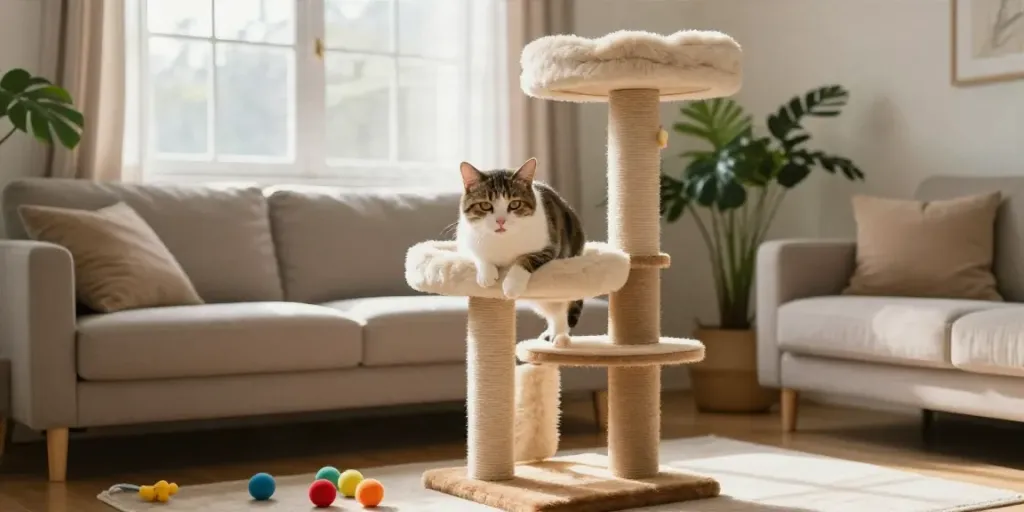
Understanding the Benefits of Cat Trees
Cat trees serve as multifunctional furniture pieces that offer various benefits for both cats and their owners. These structures provide a dedicated space for cats to climb, scratch, and rest, essentially turning your living environment into a cat-friendly paradise. When exploring options, cat tree designs can cater to your feline’s needs in a variety of ways, enhancing their overall happiness and health.
What is a Cat Tree?
A cat tree, also known as a cat condo or cat tower, is a piece of furniture designed specifically for cats. It typically features multiple levels, platforms, scratching posts, and sometimes even hideaways or dangling toys. These structures can vary in size, style, and material, ranging from small, simple designs to large, elaborate constructions that can accommodate multiple pets. The primary function of a cat tree is to provide a safe and stimulating environment for cats to play, exercise, and relax.
Physical and Mental Benefits for Cats
Providing a cat tree can significantly improve your cat's physical and mental well-being. Here are some key benefits:
- Physical Exercise: Cats are natural climbers and hunters. A cat tree allows them to engage in physical activity, which is essential for maintaining a healthy weight and preventing obesity.
- Stress Relief: Scratching is a natural instinct for cats, and a dedicated scratching post can help relieve stress and anxiety, as well as keep their claws healthy.
- Enrichment: Cat trees offer varied environments for exploration and play. Elevated spaces can make your cat feel more secure, providing the perfect vantage point for observing their surroundings.
- Territorial Marking: Cats have scent glands in their paws, and scratching on a cat tree marks their territory, making them feel more at home.
Choosing the Right Cat Tree for Your Pet
Selecting the best cat tree involves considering factors like your cat's size, age, and behavior. It's crucial to choose a tree that offers stable platforms, appropriate heights, and enough scratching surfaces. Additionally, personalization based on your cat's preferences—such as whether they prefer sleeping spaces or play areas—can enhance their experience.
Key Features to Look for in a Cat Tree
Material Quality and Durability
When investing in a cat tree, consider the material used. High-quality materials, such as solid wood, provide better stability and longevity compared to particle board. Ensure that fabric components are durable and easily cleanable, as cats can be messy.
Design and Stability Considerations
A stable design is crucial for the safety of your cat. Look for a cat tree with a wide base and solid construction, which minimizes the risk of tipping over. If you have multiple cats, consider larger models designed to accommodate several pets safely.
Incorporating Play and Comfort Elements
The best cat trees feature a balance of play and comfort. Look for options that integrate tunnels, hanging toys, and cozy sleeping areas. This combination ensures that your cat remains engaged and satisfied, leading to healthier behavior.
Setting Up the Perfect Cat Tree Environment
Ideal Locations for Your Cat Tree
Positioning your cat tree correctly can enhance its effectiveness. Place it in a location where your cat can observe their environment, such as near a window or in a central room. Avoid placing it in isolated areas, as cats enjoy being part of the family action.
Decorating Around the Cat Tree
Creating a visually appealing space around the cat tree helps it blend into your home decor. Choose colors and materials that complement your existing furnishings. You can also add decorative elements, such as plants (non-toxic to cats), to create an inviting environment.
Introducing Your Cat to Its New Tree
When you bring home a cat tree, make the introduction gradual. Place familiar scents, like your cat’s blanket or toys, on the tree to encourage exploration. Patience is key; allow your cat to investigate the new structure at their own pace to ensure they feel comfortable.
Maintenance Tips for Longevity
Cleansing and Care Guidelines
Regular maintenance is essential to maximize the lifespan of your cat tree. Vacuuming the surfaces and occasionally wiping them down with a damp cloth can remove fur and debris. For fabrics, check the manufacturer's instructions for washing recommendations.
Spotting Wear and Tear
Keep an eye out for signs of wear, such as frayed fabric or loose components. Addressing these issues quickly can prevent more significant problems. Regularly inspect the stability of scratching posts and platforms to ensure they remain safe for use.
When to Replace Your Cat Tree
Despite maintenance, cat trees will eventually require replacement. If you notice significant damage, instability, or your cat losing interest, it might be time to invest in a new structure. A functional and appealing cat tree keeps your feline friend engaged and happy.
Future Trends in Cat Tree Designs for 2026
Innovative Materials and Technologies
The future of cat trees includes a focus on sustainable materials and smart technology. Eco-friendly options made from recycled or natural materials are expected to rise in popularity, appealing to environmentally conscious pet owners.
Eco-Friendly Options for Cat Trees
More manufacturers are shifting towards eco-friendly practices, creating cat trees from sustainable wood and natural fibers. These products not only benefit the planet but also provide safe environments for your pets.
Customizable Cat Tree Features
As personalization becomes more popular, modular cat trees that allow pet owners to customize the height, shape, and features will gain traction. This flexibility can accommodate different homes and cater to specific cat preferences.
Is it worth investing in a cat tree?
Absolutely! Investing in a cat tree provides both immediate benefits and long-term health advantages for your cat. It can reduce behavioral problems associated with boredom and stress, ultimately resulting in a happier, healthier feline companion.
How to make a cat tree more interesting?
Enhancing a cat tree's appeal can be achieved by attaching more interactive elements, such as feather teasers or laser pointers, nearby. Additionally, rotating toys and offering treats can keep your cat engaged and stimulate their natural instincts.
Are cat trees necessary for indoor cats?
Yes, cat trees are especially important for indoor cats. They provide necessary exercise and mental stimulation that indoor environments may lack, helping to combat obesity and behavioral issues.
What materials are best for cat trees?
The most suitable materials for cat trees include solid wood, sisal rope, and non-toxic fabrics. These materials provide safety, comfort, and durability, ensuring your cat enjoys their tree for years to come.
Can large cats use standard cat trees?
While many standard cat trees can accommodate large cats, it's essential to select designs specifically made for larger breeds. Look for broader bases and sturdier platforms to ensure stability and safety.